Diabetic retinopathy screening
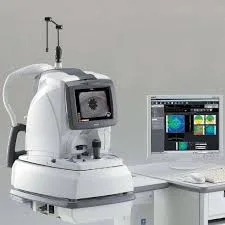
Diabetes can affect the retina before you notice a change in sight. A dilated fundus examination helps detect retinal changes; OCT may be advised to assess macular swelling. The review interval depends on your findings and medical history.
High blood pressure and the retina
Hypertensive retinal changes can be assessed during a retinal examination. Eye findings are considered alongside your blood pressure treatment and general health care.
Macular degeneration and retinal vein occlusion
The clinic evaluates age-related macular degeneration (AMD), diabetic macular oedema (DME) and retinal vein occlusion, including BRVO. Macular OCT helps assess the central retina when appropriate.
Retinal injections when indicated
Intravitreal treatment, including anti-VEGF injections, may be recommended for selected retinal conditions. The medicine, number of treatments and follow-up depend on the diagnosis and response. Complex cases may require coordinated specialist care.
Do I need a retinal check if my vision is clear?
If you have diabetes, a retinal examination may identify problems before symptoms develop. Ask your ophthalmologist when to schedule your next screening rather than waiting for blurred vision.
Preparing for a retina consultation
Bring previous scans, injection records, medicines and information about diabetes and blood pressure. Dilating drops can temporarily blur vision and increase light sensitivity, so plan transport accordingly.